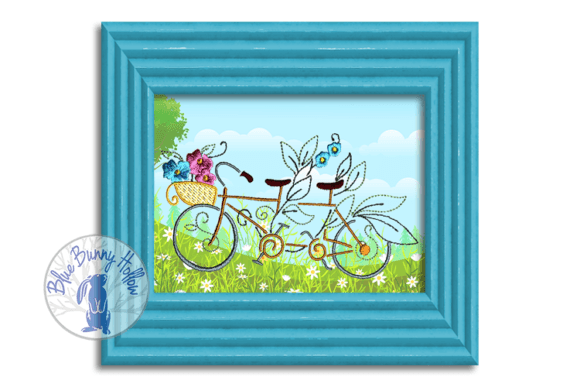
Beautiful Ride 5 Embroidery Design Review
As an embroidery designer who spends weekends navigating the bustling aisles of craft fairs and handmade markets, I have learned that not every digital file translates into a selling product. There is a distinct gap between what looks good on a computer screen and what stops a shopper in their tracks at a booth table. This is why I approach every new acquisition with a critical eye, evaluating designs based on visual impact, production practicality, and market appeal. Today, I am reviewing Beautiful Ride 5, a design described as capturing the essence of leisurely cycling through nature’s beauty with a charming bicycle adorned with intricate details. Below is my professional assessment of how this piece fits into a commercial handmade business.
First Impressions and Visual Appeal
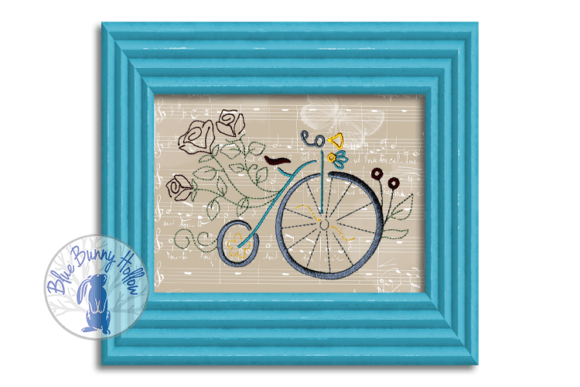
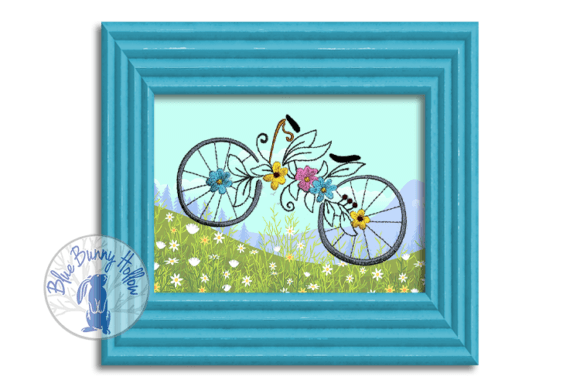
The title "Beautiful Ride 5" suggests a sense of movement and joy, while the description hints at an artful composition rather than a stark, minimalist outline. For a craft fair seller, the immediate question is: does it read well from three feet away? Based on the description of intricate details and a charming subject, this design likely leans toward a rustic, farmhouse, or soft modern aesthetic. These styles are perennial favorites in the handmade community because they evoke nostalgia and warmth.
When I imagine this design on a product, it feels less like a generic clipart and more like a boutique illustration. The mention of "intricate" elements suggests that the design has depth, which can elevate the perceived value of a finished product. However, intricate also means we must be careful about scale. A design that works beautifully as a large focal point might lose its character if reduced too much. The mood here is definitely decorative and premium, making it suitable for customers looking for something special rather than a basic utilitarian item.
Product Suitability and Market Fit
In my experience, the success of a machine embroidery design often depends on the canvas it is applied to. Here is how Beautiful Ride 5 performs across various high-demand categories:
- Tote Bags and Market Bags: This is perhaps the strongest application. A tote bag provides a large, flat surface area that allows the intricate details of the bicycle and nature elements to shine. It appeals directly to the eco-conscious consumer and serves as a walking advertisement for your brand. As a tote bag design, it strikes the perfect balance between utility and art.
- Aprons and Tea Towels: Kitchen textiles are impulse-buy staples at craft fairs. If the design features floral or nature elements surrounding the bike, it will fit seamlessly into farmhouse decor trends. Apron embroidery of this nature adds a personal touch that mass-produced items lack. Similarly, tea towel embroidery offers a lower price point entry for customers, allowing you to move volume alongside higher-ticket items.
- Caps and Patches: Applying this design to curved surfaces requires skill. If the design is too wide or detailed, it may distort on a baseball cap. However, if digitized correctly, it could work as a striking chest logo. Alternatively, creating an embroidered patch version gives you flexibility; patches can be sewn onto jeans, backpacks, or hats by the end-user, adding versatility to your product line.
- Pillow Covers and Small Pouches: For home goods, this design adds a cozy, inviting feel. On smaller items like fabric pouches, the design needs to be scaled appropriately so the "charming bicycle" remains recognizable. These make excellent add-on items at checkout counters.
Production Practicalities and Quality Control
Before committing to a batch production run, I always stress-test designs against real-world manufacturing constraints. Here are the critical factors to consider for Beautiful Ride 5:
- Stitch Density and Detail: The description mentions "intricate" work. High stitch density can cause puckering on lightweight fabrics like thin cotton tea towels unless the correct stabilizer is used. You must test the design to ensure the thread coverage is smooth and not overly thick, which can make the fabric stiff and less appealing to the touch.
- Thread Contrast: Intricate designs rely on clear definition. If you use low-contrast thread colors (e.g., light beige on cream fabric), the fine details will disappear. Always check thread contrast against your chosen fabric swatch. Bold, vibrant threads often help intricate designs pop, especially on darker backgrounds.
- Hoop Size and Placement: Confirm the hoop size required for the design. If it exceeds standard hoop dimensions, you may need multi-hooping techniques, which increase production time and the risk of misalignment. Ensure the design fits comfortably within your machine’s capabilities without excessive trimming.
- Fabric Texture: Avoid placing this design on highly textured fabrics like heavy waffle-weave towels or nubby linens unless you have tested it first. The texture can obscure the intricate lines of the bicycle, leading to a muddy final look.
Selling Strategy and Customer Engagement
For the Etsy seller or small shop product owner, presentation is everything. A well-executed handmade product tells a story. When displaying Beautiful Ride 5 at a craft fair, arrange your items to show variety. Hang the tote bags at eye level to catch attention, and lay out the aprons and pillows to demonstrate the design’s adaptability.
This design has strong giftable appeal. The theme of cycling and nature resonates with outdoor enthusiasts, gardeners, and anyone who appreciates a slower pace of life. Positioning these items as gifts for birthdays, Mother’s Day, or summer outings can drive sales. Furthermore, creating a printable mockup for your online listings allows you to visualize the design on different products before physically producing them, saving time and materials.
Designer’s Checklist for Success
To ensure your investment in this digital embroidery file pays off, follow these steps:
- Test on Scrap Fabric: Never skip this step. Test the design on the exact fabric you plan to sell. Check for color bleeding, stability, and clarity.
- Review Spacing: Ensure there is enough negative space around the design so it doesn’t feel cramped on smaller items like caps or pouches.
- Inspect Stitch Density: Zoom in on the digitization if possible. Look for areas where stitches might overlap excessively or leave gaps.
- Create Real Mockups: Produce at least one sample of each key product type. Photograph them in natural light to see how the thread colors interact with the environment.
- Confirm Licensing: Before listing any items for sale, verify the commercial embroidery license terms. Ensure you are permitted to sell finished goods made from this design.
In conclusion, Beautiful Ride 5 appears to be a versatile and visually engaging addition to any embroidery business inventory. Its rustic and charming aesthetic aligns well with current handmade market trends. By paying close attention to production details—particularly stitch density and fabric choice—you can transform this digital asset into high-quality, desirable physical products that stand out at craft fairs and online shops alike.