Class C Zipper Bag Design Review
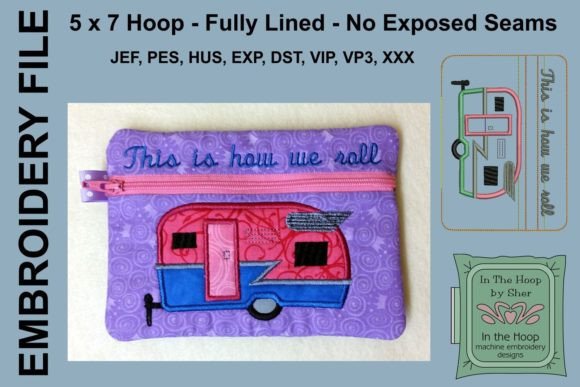
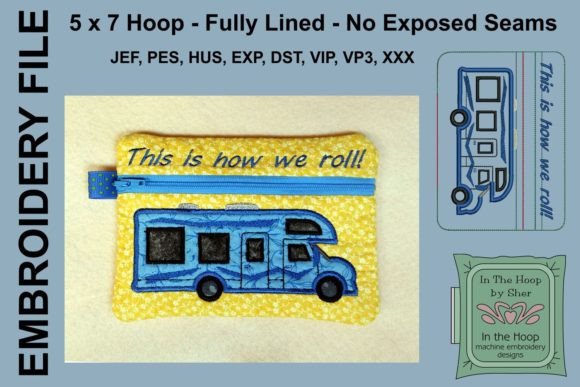
As an embroidery designer who has spent years refining digitizing techniques for small business merchandise, I approach every new design asset with a critical eye. The goal is never just aesthetics; it is about commercial viability, brand consistency, and production efficiency. Today, I am reviewing the Class C Zipper Bag, a design described as an intricately embroidered Travel Camper Zipper Bag that boasts a charming camper aesthetic. For owners of boutiques, bakeries, creative studios, or Etsy shops looking to expand their product lines, understanding how this design translates from a digital file to a finished physical product is essential.
First Impressions: Visual Personality and Brand Fit
The initial description of the Class C Zipper Bag suggests a design that balances charm with utility. Words like "intricately embroidered" and "charming camper design" imply a rustic yet polished look. In my experience, designs that evoke travel, adventure, or nostalgia tend to perform exceptionally well in the handmade and small business sectors. This design likely carries a friendly, approachable personality that feels premium rather than mass-produced.
For a small café or a boutique hotel, this design could serve as a perfect accent on staff uniforms or customer-facing items. It feels professional enough for a corporate gift but playful enough for a craft fair vendor. The compact nature mentioned in the description is key; it suggests the design is scalable, which is a crucial factor for versatile branding applications.
Real-World Business Applications
When evaluating a machine embroidery design for commercial use, we must look beyond the screen. How does the Class C Zipper Bag function when stitched onto various substrates? Here is how I see this design performing in real-world scenarios for small business owners and apparel decorators.
- Embroidered Patches: One of the most lucrative uses for this design is creating iron-on or sew-on patches. Small businesses often use these for customer loyalty programs or as unique identifiers on denim jackets and backpacks. The intricate details of the camper design will hold up well if digitized with proper underlay stitches, making it a standout piece of small business merch.
- Apron Embroidery: For bakeries, florists, or craft studios, branded aprons are daily advertising tools. Placing the Class C Zipper Bag on the chest pocket of a high-quality canvas apron adds a touch of personality without overwhelming the garment. It signals attention to detail to the customer.
- Cap Embroidery: Caps remain a staple in promotional products. This design’s compact nature makes it ideal for front-center placement on structured caps. It offers a subtle brand mark that is visible but not aggressive, perfect for trade shows or employee uniforms.
- Tote Bag Design: Eco-friendly tote bags are another major revenue stream. A single, well-placed embroidery of this design on a cotton tote bag elevates the perceived value of the item. It transforms a basic accessory into a branded keepsake.
- Product Packaging Accents: Beyond apparel, consider using this design as a label for product packaging. Stitching it onto fabric tags attached to candles, soaps, or baked goods boxes can significantly enhance the unboxing experience and reinforce brand identity.
Enhancing Brand Identity and Customer Trust
In the world of handmade products, visual consistency builds trust. When a customer sees the same high-quality embroidery on a tote bag, a cap, and an apron, it creates a cohesive narrative. The Class C Zipper Bag design, with its specific thematic focus, helps position your brand within the camping, travel, or outdoor lifestyle niche. It communicates that you understand your audience's passions. Furthermore, the tactile quality of embroidery conveys durability and care, factors that directly influence buyer engagement and repeat purchases.
Critical Considerations for Production
While the design has strong potential, no embroidery project is without its challenges. As a designer, I must advise caution in specific areas to ensure the finished product meets professional standards.
Size and Detail Management: The term "intricately embroidered" requires careful scrutiny. If you plan to reduce this design to a tiny patch size (under two inches), complex details may merge together, resulting in a muddy appearance. Always test the design at its intended final scale. Tiny lettering or fine outlines might disappear entirely on curved surfaces like the front of a cap or the sleeve of a work shirt.
Fabric and Texture Compatibility: Embroidery interacts dynamically with fabric texture. On smooth cotton, the design will look crisp. However, on textured fabrics like heavy canvas or fleece, the stitches may sink in, losing definition. Additionally, dark uniforms require a robust backing stabilizer to prevent show-through and maintain thread color contrast. If the underlying fabric is too dark, the lighter thread colors in the camper design may lose their vibrancy.
Washability and Durability: For items that will undergo frequent washing, such as staff aprons or work shirts, the stability of the embroidery is paramount. High stitch density can cause puckering if the hoop size is not matched correctly to the fabric weight. Ensure that the design is anchored properly to withstand repeated laundering without distortion.
Practical Designer Notes for Implementation
To maximize the success of the Class C Zipper Bag in your commercial projects, follow these practical steps before committing to bulk production.
- Test in Black and White: Convert the design to monochrome to check contrast levels. This helps identify if any thread colors lack sufficient difference, which is vital for readability.
- Check Hoop Size Requirements: Confirm the maximum dimensions required by the digitization. Ensuring your embroidery machine’s hoop can accommodate the design prevents mid-stitch errors.
- Stabilizer Selection: Choose the correct stabilizer based on your fabric. Cut-away stabilizers are generally recommended for woven garments and frequent-wash items, while tear-away may suffice for lightweight totes.
- Create a Printable Mockup: Before stitching, generate a printable mockup to visualize the design on actual product photos. This allows for client approval and helps spot proportion issues early.
- Review Thread Color Contrast: Inspect the chosen thread palette against the base fabric. Good contrast ensures the design pops and remains legible from a distance.
- Confirm Commercial Licensing: Verify that you have the appropriate rights to use this digital embroidery file for resale. Unauthorized commercial use can lead to legal issues.
Final Verdict for Small Business Owners
The Class C Zipper Bag design offers a compelling opportunity for small businesses looking to add value through custom apparel and accessories. Its charming, camper-inspired aesthetic aligns well with current trends in handmade and lifestyle branding. By carefully managing stitch density, fabric choice, and sizing, designers and business owners can transform this embroidery file into a powerful tool for enhancing brand identity. Whether used as a patch, a cap logo, or an apron accent, this design has the potential to elevate your product line and engage customers on a deeper, tactile level. Always remember to test thoroughly and prioritize quality control to ensure every handmade product reflects the professionalism your brand deserves.