Hand Saw Embroidery Design Review
As an embroidery designer who spends countless hours evaluating digital files for seasonal collections, I have learned that the difference between a bestseller and a return often comes down to one thing: emotional resonance. When I first opened the file labeled Hand Saw, my initial reaction was not just about the tool itself, but about the narrative it evokes. This is not merely a depiction of hardware; it is a symbol of craftsmanship, repair, and the tactile satisfaction of building something with your own hands. For sellers looking to tap into the growing market for rustic, maker-centric, and heritage-inspired goods, this design offers a unique opportunity to connect with customers on a deeper level.
The Aesthetic Appeal and Seasonal Mood
The first impression of the Hand Saw design is one of grounded authenticity. In the world of seasonal embroidery, trends often swing between overly whimsical and strictly traditional. This design sits comfortably in the "modern rustic" sweet spot. The lines are clean, suggesting a contemporary graphic style, yet the subject matter feels timeless and nostalgic. It appeals to the DIY enthusiast, the woodworker, the gardener, and the homeowner who values durability and utility.
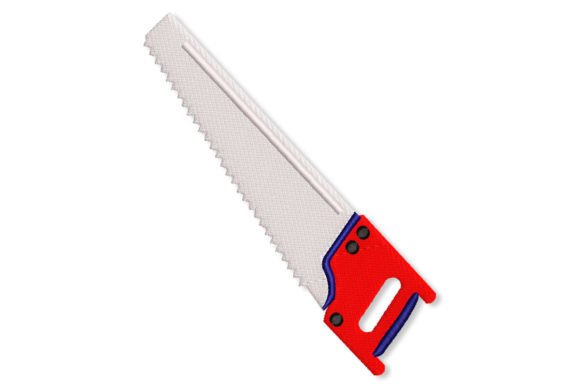
From a decorative standpoint, the design possesses a balanced weight. It is detailed enough to hold interest when viewed up close, allowing the buyer to appreciate the teeth of the blade and the curve of the handle, but it remains legible and impactful from a distance. This balance is crucial for Etsy seller success, where product thumbnails must capture attention instantly. The visual recognition factor is high because the silhouette of a hand saw is universally understood. It communicates strength and capability without shouting. For holiday shoppers seeking gifts for the person who "has everything," this design speaks to their identity as a creator or a fixer, making it a thoughtful choice for personalized gift opportunities.
Practical Applications for Holiday Product Lines
When planning a limited-time product drop for the holidays, versatility is key. The Hand Saw design is remarkably adaptable across various textile categories. Here is how I envision this embroidery file performing in real-world selling situations:
- Kitchen Towel Embroidery: There is a strong trend toward "farmhouse kitchen" aesthetics. Placing the Hand Saw design on heavy cotton dish towels creates a charming contrast between domestic softness and industrial imagery. It works exceptionally well as part of a matching set with other tool-themed designs.
- Sweatshirt Embroidery: For men’s and unisex apparel, this design fits perfectly on the chest pocket area or centered on the back of a heavyweight fleece. It adds a premium touch to basic garments, elevating them from simple basics to statement pieces. The rugged theme pairs well with earth tones like olive, charcoal, and navy.
- Tote Bag Design: Canvas totes are staple items for craft fairs and holiday markets. The sturdy nature of canvas complements the hardworking theme of the saw. This is an ideal item for small shop product bundles, perhaps paired with a wooden spoon or a spice jar.
- Pillow Cover: For home decor enthusiasts, embroidered pillow covers offer a high perceived value. The Hand Saw design can be framed by simple stitching borders to create a gallery-wall effect in a living room or workshop.
- Embroidered Patch: Creating iron-on patches allows buyers to customize their own gear. These are highly popular among hobbyists who want to mark their personal tools or jackets. Patches also reduce the barrier to entry for customers who may not have embroidery machines themselves.
Furthermore, this design lends itself beautifully to gift bundling. Imagine a "Maker’s Kit" containing a custom apron, a set of kitchen towels, and a tote bag, all featuring coordinated variations of the Hand Saw motif. Such curated collections significantly increase average order value during peak shopping periods.
Technical Considerations and Fabric Texture
While the artistic vision is strong, any experienced designer knows that execution is paramount. Before adding this to your commercial inventory, you must address several technical variables to ensure customer trust and product longevity.
Stitch Density and Detail: You must review the small details after stitching. The teeth of the saw require precise stitching to avoid clumping or losing definition. If the stitch density is too high, the fabric may pucker; if too low, the image will look sparse. Test your machine embroidery design on the specific fabrics you intend to sell. Fabric texture plays a huge role here—smooth cottons will render the finest details, while textured linens or wools may obscure smaller elements.
Thread Colors and Stabilizer: Do not assume default thread colors will work for every application. Test thread colors on both light and dark fabric to ensure contrast and vibrancy. For dark fabrics, consider using metallic threads or bright whites to make the design pop, but be aware that metallic threads can be more difficult to manage and may require slower machine speeds. Always use a proper stabilizer appropriate for the garment weight. Heavy sweatshirts need cut-away stabilizers to maintain shape over time, while lightweight tees might benefit from tear-away options depending on the design's size.
Hoop Size Constraints: Confirm the hoop size required by the file. Large, intricate designs may limit your placement options on smaller items like baby onesies or small patches. If the design is large, ensure your target products have sufficient surface area to accommodate it without awkward cropping.
Risks and Care Instructions
There are specific scenarios where this design should be used carefully. Avoid placing dense embroidery on stretchy garments unless you are using a flexible stabilizer, as the stitches may break or distort during wear. Similarly, items that need repeated washing, such as kitchen towels and aprons, must be stabilized correctly to prevent the embroidery from pulling out or causing the fabric to warp. Customers expect durability, especially with themes related to hard work and reliability. A poorly executed stitch job undermines the very message the design tries to convey.
Marketing and Visual Recognition
In the crowded landscape of online marketplaces, a digital embroidery file needs to stand out visually. The Hand Saw design offers excellent potential for social media previews and printable mockup graphics. Its strong geometric lines photograph well under natural light, which is essential for lifestyle marketing. When creating listings, emphasize the story behind the tool. Use copy that highlights the pride of creation, the joy of fixing, and the warmth of handmade gifts.
This design also supports brand consistency for shops that focus on trades, hobbies, or vintage aesthetics. By offering this alongside complementary designs, you create a cohesive catalog that encourages repeat purchases. Whether it is for a father’s day gift, a housewarming present, or a holiday treat for a contractor, the emotional tone of the Hand Saw resonates with pride and appreciation for skill.
Final Designer Notes
Before releasing any products based on this design, please remember to confirm commercial licensing terms directly with the file provider. While the aesthetic is proven, legal clarity is non-negotiable for sustainable business practices. Additionally, always advise your customers on care instructions to preserve the quality of the embroidery.
The Hand Saw is more than just a pattern; it is a conversation starter. It celebrates the hands that build, repair, and create. For the discerning embroidery designer or small business owner, incorporating this design into your seasonal lineup is a strategic move that aligns artistry with market demand. It invites customers to celebrate the makers in their lives, making it a powerful addition to your holiday collection.