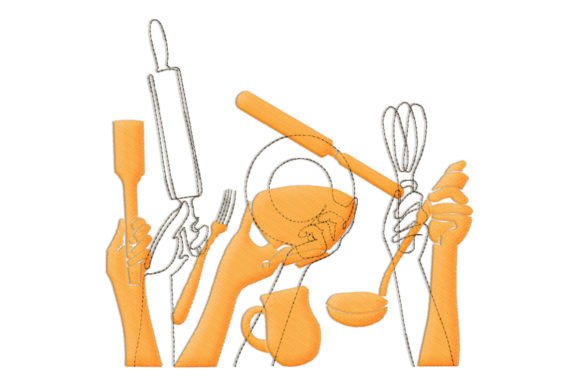
Kitchen Utensils Cooking Embroidery Review
As an embroidery designer who spends countless hours evaluating digital files for seasonal collections, I look for more than just technical precision. I look for the emotional hook. When a customer browses Etsy or visits a craft fair during the holiday season, they are not just buying fabric and thread; they are buying nostalgia, warmth, and the promise of shared moments around a table. This is why my review of the Kitchen Utensils Cooking design focuses heavily on its potential to drive sales in a crowded marketplace.
The Kitchen Utensils Cooking design arrives with a clear purpose. It is versatile, practical, and inherently tied to the heart of the home. For any Etsy seller or small shop product creator planning a winter or autumn collection, this file offers a unique opportunity to capture the "cozy kitchen" aesthetic that dominates social media feeds during Q4. Below, I break down how this machine embroidery design performs in real-world applications and what you need to consider before adding it to your inventory.
First Impressions: Mood and Aesthetic
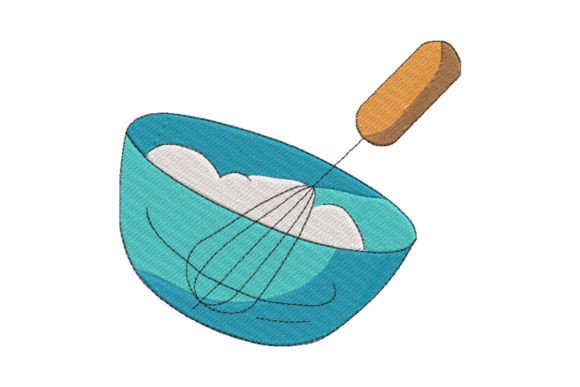
The immediate visual impact of Kitchen Utensils Cooking is one of rustic charm and functional elegance. The design captures the essence of a well-loved kitchen without being overly cluttered. It strikes a balance between playful and premium, making it suitable for a wide demographic. Whether your brand leans toward modern minimalism or traditional farmhouse style, this design adapts well.
The decorative style suggests a sense of nostalgia. It evokes memories of family gatherings, holiday baking, and the comforting clatter of pots and pans. For the handmade gift market, this emotional resonance is critical. Buyers want items that feel personal and heartfelt. A design featuring cooking tools instantly communicates care and domesticity, which resonates deeply with recipients who value home decor and culinary arts.
From a technical standpoint, the detail level appears appropriate for machine stitching. The lines are clean, and the shapes are distinct enough to remain recognizable even when stitched at smaller scales. This clarity ensures that the design retains its integrity on various fabrics, from soft cotton towels to structured denim aprons.
Real-World Holiday Selling Scenarios
When building a seasonal collection, versatility is key. The Kitchen Utensils Cooking design excels in multiple product categories, allowing you to create cohesive bundles and cross-sell opportunities.
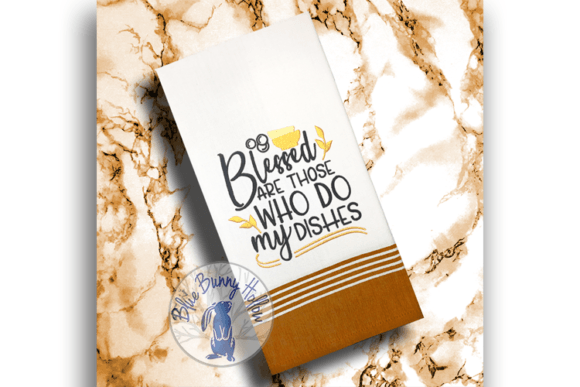
- Kitchen Towel Embroidery: This is perhaps the most natural application. Stitching this design onto high-quality linen or cotton tea towels creates an instant bestseller. These items are affordable impulse buys at craft fairs and perfect for personalized gift listings where buyers can add names or dates.
- Cooking Aprons: For a higher price point, applying this design to a durable canvas apron adds significant value. It transforms a basic utility item into a statement piece. Consider offering these as part of a matching set with dishcloths or oven mitts.
- Sweatshirt Embroidery: While less common, placing this design on a cozy fleece or cotton blend sweatshirt can appeal to the "chef chic" trend. It works particularly well for holiday gifts targeting foodies or home cooks.
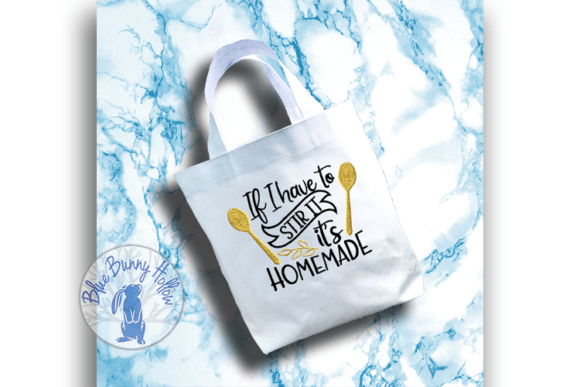
- Tote Bag Design: A sturdy canvas tote embroidered with Kitchen Utensils Cooking serves a dual purpose: it is a functional grocery bag and a promotional tool. Customers carrying these bags become walking advertisements for your brand.
- Pillow Covers and Home Decor: Using this design on throw pillows adds a touch of whimsy to living rooms and kitchens. It fits seamlessly into fall-themed color palettes using warm oranges, deep reds, and earthy browns.
- Embrroidered Patch: Creating a detachable patch version allows customers to customize their own gear. This appeals to the DIY community and extends the lifespan of the product.
In terms of marketing, this design lends itself beautifully to printable mockup graphics. You can showcase the design on a wooden countertop with fresh ingredients, creating a lifestyle image that stops scrollers in their tracks on Instagram or Pinterest. The finished product looks professional and ready for gifting, which reduces buyer hesitation.
Gift Bundles and Seasonal Appeal
During the holidays, bundling increases average order value. The Kitchen Utensils Cooking design is ideal for creating "Kitchen Starter Kits" or "Hostess Gift Sets." Pair a towel with a small bottle of olive oil and a branded tag, or combine an apron with a set of coasters. These curated experiences enhance buyer emotion and make your shop stand out against generic mass-produced goods.
The design also supports family matching items. Imagine a set of coordinated aprons for parents and children, all featuring variations of the same utensil theme. This creates a strong visual identity for your brand and encourages multi-item purchases.
Technical Considerations and Cautionary Notes
While the design has strong commercial potential, an experienced designer knows that execution is everything. There are specific areas where caution is required to ensure customer satisfaction and minimize returns.
Fabric and Thread Selection
Always test thread colors on both light and dark fabric before committing to large production runs. The contrast between the thread and the base material will determine legibility. On dark fabrics, consider using white or metallic threads for a festive pop, but be aware that metallic threads can be harder to stitch and may require slower speeds.
Pay close attention to stitch density. If the design is too dense on thin fabrics like lightweight cotton, it may pucker. Conversely, if it is too sparse on thick terry cloth towels, the details may get lost. Use a proper stabilizer matched to your fabric weight—cut-away for stretchy garments like sweatshirts, and tear-away or wash-away for stable items like aprons.
Hoop Size and Detail Limits
Check the recommended hoop size carefully. If you attempt to stitch this design in a hoop that is too small, fine details such as tiny lettering or intricate utensil handles may merge together, resulting in a muddy appearance. Always review small details after stitching a sample to ensure clarity.
Avoid using this design on highly textured surfaces like heavy burlap or extremely thick wool unless you have extensive experience with stabilizers. The needle penetration must be consistent to prevent thread breaks or skipped stitches.
Durability and Care
For items that will undergo repeated washing, such as kitchen towels and aprons, ensure the embroidery is secure. Loose threads can snag during laundering. Reinforce start and end points, and trim excess backing thoroughly. This attention to detail builds customer trust and reinforces the perception of quality.
Final Verdict for Sellers
The Kitchen Utensils Cooking design is a solid addition to any seasonal embroidery collection. Its broad appeal, combined with its suitability for a wide range of products, makes it a low-risk, high-reward asset for digital embroidery file buyers. It taps into the universal love of cooking and home comfort, emotions that peak during the holiday season.
To maximize success, focus on realistic presentation. Create printable mockup images that show the design in context. Offer customization options where possible, such as adding monograms to aprons or selecting specific thread colors to match home decor themes. Finally, always confirm commercial licensing terms before selling finished products to ensure you are protected legally.
By treating this design with the respect it deserves—through careful testing, thoughtful product pairing, and strategic marketing—you can turn a simple embroidery file into a profitable holiday staple. The Kitchen Utensils Cooking design is not just about stitching; it is about crafting memorable experiences for your customers, one stitch at a time.