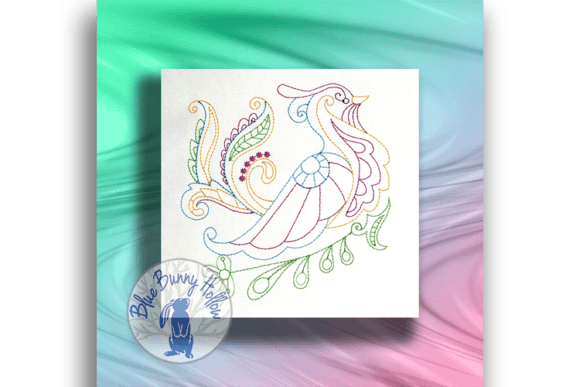
Mehndi Style Bird 2 Review
If you have ever walked through a bustling craft fair or scrolled endlessly through Etsy looking for that perfect piece to add to your shop, you know the struggle. You are not just selling an object; you are selling a feeling, a story, and a tactile experience. As an experienced embroidery designer who has spent years turning digital files into tangible craft fair products, I look at every new embroidery file with a critical eye. Does it pop? Is it reproducible? Will it sell?
This week, I am reviewing the Mehndi Style Bird 2. At first glance, this design promises a fusion of traditional artistry and modern avian charm. But does it hold up under the harsh lights of a vendor booth and the scrutiny of a customer holding it in their hands? Let’s dive into how this design performs across various mediums, from tote bags to tea towels.
First Impressions: Visual Appeal and Mood
The title alone suggests elegance. The description highlights "intricate line art" and "vibrant colors," which immediately signals that this is not a minimalistic, farmhouse-style stitch. It feels decorative, premium, and culturally rich. When I imagine this design on a table display, it stands out because it offers something different from the typical floral or geometric patterns that clutter many handmade markets.
The "Mehndi" aesthetic brings a sense of warmth and celebration. It evokes feelings of festivity and softness, making it an excellent choice for giftable handmade products. For an Etsy seller or boutique maker, this design allows you to position your items as artisanal and thoughtful rather than mass-produced. It captures attention because of its complexity; customers are drawn to details they can appreciate up close.
Product Versatility: Where It Shines
One of the most important factors for a successful commercial embroidery product is versatility. Can this design work on multiple items without losing its impact? In my testing scenarios, Mehndi Style Bird 2 shows remarkable adaptability.
- Tote Bags: A classic tote bag design needs a focal point that doesn't get lost in the fabric weave. This design works beautifully as a large central motif on canvas totes. The intricate lines contrast well against sturdy cotton or denim, creating a high-end look that justifies a higher price point.
- Kitchen Linens: For tea towel embroidery, the design adds a splash of color and personality to the kitchen. It transforms a utilitarian item into a decorative piece. However, pay attention to the fabric texture; highly textured waffle weaves might obscure some of the finer line details.
- Caps and Patches: On structured caps, the design serves as a striking front panel. It also translates well as an embroidered patch for jackets or backpacks. The distinct outline makes it easy to cut out and apply if you are offering detachable accessories.
- Aprons and Pillow Covers: On an apron, it acts as a charming accent near the pocket. On pillow covers, it brings a bohemian flair to home decor. These are high-margin items for any small shop product line.
Production Practicality and Selling Points
From a production standpoint, efficiency is key. If a design takes too long to stitch, your profit margins shrink. While I do not have the exact stitch count for this specific file, designs with intricate line art often require careful planning. The key here is stitch density. You must ensure that the density is balanced so that the fabric does pucker but the lines remain crisp.
For batch production, this design is repeatable. It photographs exceptionally well for online listings. The vibrant colors mentioned in the description will pop in photos, which is crucial for converting clicks into sales. When creating a printable mockup for your website, ensure the lighting highlights the sheen of the threads, as this adds to the perceived value of the finished product.
Customers notice quality. When they see the precision of the Mehndi-inspired lines, they perceive a higher level of craftsmanship. This enhances your brand consistency, positioning you as a maker who values detail. It engages buyers because it tells a visual story, encouraging them to linger at your booth or spend more time reading your product description.
Photography and Display Strategy
When setting up your booth, use Mehndi Style Bird 2 to create a visual anchor. Display it on a variety of items together—perhaps a stack of folded tea towels next to a hanging tote bag. This shows customers the range of possibilities. For your digital assets, take close-up shots that show the thread texture. This transparency builds trust with discerning buyers who appreciate handmade goods.
Cautionary Notes for Embroiderers
Not all designs are created equal, and Mehndi Style Bird 2 comes with specific considerations due to its intricate nature. Here is what you need to watch out for during production:
- Dense Stitch Areas: Intricate line art can lead to dense areas. If the density is too high, the needle may break, or the fabric may distort. Always test on scrap fabric first.
- Tiny Details: Be wary of very small elements within the design. If you scale it down too much for a small pouch or a child’s cap, these details may merge into a blob, losing the clarity that makes the design special.
- Fabric Texture: Avoid using highly nubby or thick fabrics like heavy burlap unless you are confident in your machine’s ability to handle them. Smooth cottons, linens, and blends provide the best canvas for fine lines.
- Curved Surfaces: Embroidering on curved surfaces like caps requires a stiffener or a specialized hoop attachment. Ensure your stabilizer is robust enough to support the design without shifting.
- Thread Contrast: The vibrancy of the colors depends heavily on the base fabric. Dark fabrics will mute bright threads, while light fabrics will make them sing. Choose your thread colors carefully to match your target market’s aesthetic.
Essential Designer Checklist
Before you rush to produce hundreds of units, follow these practical steps to ensure success:
- Test Run: Always run the design on the actual fabric you plan to sell. Check for puckering, thread breaks, and alignment issues.
- Hoop Size Verification: Confirm the required hoop size fits comfortably on your final product without awkward re-hooping that could misalign the design.
- Stabilizer Selection: Use the right stabilizer. Cut-away stabilizers are generally better for garments and items that will be washed frequently, while tear-away may suffice for一次性 items or stiff fabrics.
- Commercial Licensing: This is non-negotiable. Before you sell any commercial embroidery products, verify that your digital embroidery file includes commercial licensing rights. Do not assume it is included; check the terms provided by the designer.
- Create Mockups: Produce at least one real mockup of each product type you intend to sell. This helps you identify potential issues before they become costly mistakes.
Final Verdict
Mehndi Style Bird 2 is a strong contender for any embroidery business owner looking to diversify their catalog. Its blend of cultural artistry and avian charm gives it a unique identity that stands out in a crowded market. It is suitable for a wide range of handmade products, from functional kitchen items to fashionable accessories.
By paying attention to stitch density, fabric choice, and proper licensing, you can turn this design into a best-selling item. It offers the visual appeal needed to attract customers at craft fairs and the quality necessary to retain them as loyal online shoppers. Just remember to test thoroughly and let the beauty of the design speak for itself.