Mini Boss Embroidery Design Review
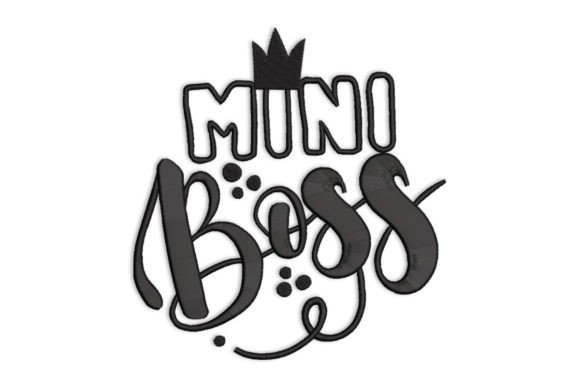
As an embroidery designer who has spent years refining digital files for commercial production, I approach every new design with a mix of creative enthusiasm and practical skepticism. When I first loaded the Mini Boss machine embroidery design into my hoop, I wasn’t just looking at a graphic; I was evaluating its potential as a revenue-generating asset for my own personalized gift shop. The goal is simple: does this design hold up under the scrutiny of real-world stitching, and will it resonate with customers browsing Etsy or visiting craft fairs?
The immediate impression of Mini Boss is one of approachable whimsy. It strikes a balance between playful charm and professional polish. For those of us creating personalized gifts, that balance is critical. A design that is too complex can alienate buyers who fear their finished product will look messy, while a design that is too simple may fail to justify a premium price point. Mini Boss sits comfortably in the "sweet spot," offering enough visual interest to be memorable without demanding an expert level of execution from the stitcher.
Designing for the Baby and Nursery Market
In the realm of baby embroidery, emotional connection drives sales. Parents and gift-givers are looking for items that feel special, timeless, and safe. Mini Boss fits seamlessly into this category. Imagine this design stitched onto a soft muslin swaddle, a hooded towel for bath time, or the corner of a receiving blanket. The whimsical nature of the motif suggests a sense of fun and childhood wonder, which appeals strongly to modern parents who want nursery decor that feels curated rather than generic.
For Etsy sellers and small business owners, versatility is key. This design is not limited to baby items. Its adaptable aesthetic makes it a strong candidate for wedding gifts as well. Picture Mini Boss embroidered on a high-quality linen pillow cover or a set of matching kitchen towels given to a newlywed couple. The design’s clean lines and charming character allow it to transcend age groups, making it a versatile addition to any handmade product inventory.
Material Considerations and Fabric Texture
However, a beautiful design on paper does not always translate perfectly to fabric. As you plan your custom orders, you must consider the substrate. Mini Boss performs beautifully on smooth, stable fabrics like cotton twill for embroidered towels or tightly woven canvas for tote bags. But caution is advised when moving to more challenging materials.
Avoid using this design on thick, terry cloth towels unless you have pre-hooped the area extensively to prevent sinking. Similarly, stretchy baby clothes or jersey knits require a heavy-duty stabilizer and careful tension adjustments to avoid distortion. If you are targeting the market for apron embroidery, ensure the fabric is firmly stabilized to maintain the integrity of the design’s edges. Always test on scrap fabric that matches the weight and texture of your final product before committing to customer orders.
Enhancing Perceived Value and Giftability
In the world of commercial embroidery, perceived value is everything. Customers are not just buying a piece of fabric; they are buying a feeling. A well-executed embroidery file signals quality and care. When Mini Boss is stitched correctly, with proper thread contrast and clean finishes, it elevates a basic item into a keepsake.
This is particularly important for digital product sellers who provide mockups. Your printable mockup should showcase the design on a variety of backgrounds—soft pastels for nursery themes, crisp whites for wedding gifts, and warm earth tones for general home decor. Visualizing the finished product helps buyers engage emotionally with the item. When a buyer sees how Mini Boss looks on a personalized pillow cover, they can instantly imagine it as a gift for a friend or family member, increasing the likelihood of conversion.
Technical Execution and Stitch Density
To achieve that professional finish, attention to technical details is non-negotiable. Before running a large batch of orders, verify the stitch density of the Mini Boss design. High-density areas can cause puckering if the wrong stabilizer is used. For lightweight fabrics, a cut-away stabilizer is often necessary to provide long-term support, especially for items that will undergo frequent washing, such as blanket embroidery projects.
Thread color selection plays a massive role in the final aesthetic. Experiment with contrasting threads to make the design pop, or use tonal threads for a subtle, elegant look. Remember to check the hoop size requirements carefully. If the design exceeds standard hoops, you may need to reposition it or use a larger frame, which can impact your workflow efficiency. Always confirm these specifications in your software before cutting fabric.
Strategic Placement for Maximum Impact
Where you place the design on the product matters just as much as the design itself. For pillow covers, centering the design creates a balanced, classic look. On embroidered towels, placing it in the corner adds a touch of sophistication without overwhelming the utility of the item. For tote bags, a central placement ensures visibility and brand recognition.
Be mindful of curved surfaces. If you are attempting to embroider on a curved hat brim or a rounded bag handle, the flat nature of most digitized designs may result in stretching or misalignment. In such cases, consider whether the design needs to be adjusted or if a different project type would better suit the Mini Boss motif.
Quality Control and Customer Trust
Every stitch reflects on your brand. A loose thread, a tangled bobbin, or a design that has shifted during stitching can lead to negative reviews and lost trust. Implement a strict quality control process. After stitching, inspect the back of the work for adequate stabilizer coverage and trim all excess threads thoroughly. This attention to detail reassures customers that they are receiving a handmade product made with care.
Furthermore, always review the licensing terms of the digital embroidery file. Ensure you have the right to sell finished products featuring the Mini Boss design. Commercial licenses vary, and understanding these terms protects your business from legal issues down the line.
Final Thoughts for Crafters and Sellers
The Mini Boss design offers a compelling option for those looking to expand their catalog of personalized gifts. Its charm and versatility make it suitable for a wide range of applications, from baby embroidery projects to sophisticated wedding gifts. By paying close attention to fabric choice, stabilizer usage, and thread selection, you can create stunning finished products that delight customers and drive sales.
Whether you are an Etsy seller looking to refresh your listings or a small shop owner planning your next craft fair display, Mini Boss deserves a spot in your testing queue. Take the time to stitch it out, experiment with different thread colors, and visualize its potential in your unique custom embroidery offerings. With the right execution, this design can become a staple in your collection, helping you build a reputation for quality and creativity in the handmade community.