My First Boo Embroidery Design Review
As an embroidery designer who spends countless hours testing digitized files before they hit the market, I approach every new design with a mix of excitement and skepticism. We are always looking for that perfect balance between aesthetic charm and technical reliability. Recently, I put the My First Boo machine embroidery design through its paces to determine if it truly belongs in a professional personalized gift shop’s inventory. This isn’t just about whether the ghost looks cute; it is about how it performs on real customer orders, from baby onesies to wedding keepsakes.
First Impressions: Charm Meets Technical Viability
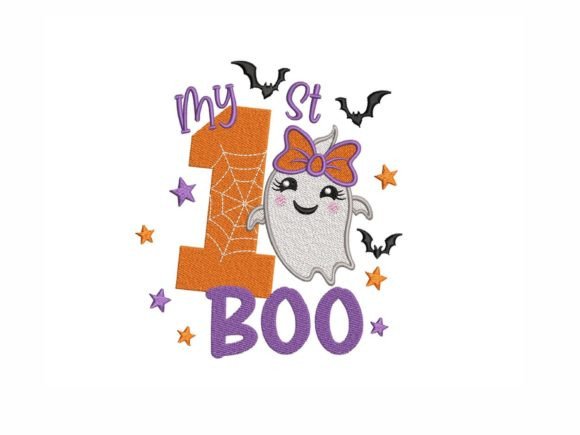
The moment I loaded the file into my hoop, the mood was immediately set. The My First Boo design features a very cute and friendly ghost accompanied by flying bats. It strikes a delicate chord between playful and sweet, avoiding the spooky or overly aggressive aesthetics often associated with Halloween themes. For a designer, this emotional appeal is crucial. It feels handmade, warm, and inviting, making it suitable not just for seasonal decor but for year-round gifting occasions.
The detail level is impressive without being overwhelming. The ghost’s expression is soft, and the bat silhouettes add a dynamic sense of movement. When I reviewed the stitch density, I noted that the fill stitches are balanced enough to provide coverage without creating a stiff, board-like feel on the fabric. This is vital for products like baby clothes or lightweight towels where comfort is paramount. The design feels modern yet classic, ensuring it won’t look dated as trends shift.
Perfect Applications for Personalized Gifts
In my experience, the versatility of a design determines its commercial success. My First Boo shines brightly in several key categories for Etsy sellers, small business owners, and craft fair vendors.
- Baby Embryology and Nursery Decor: The description highlights this as perfect for a baby’s first birthday outfit. I tested this concept by embroidering the design on a soft white cotton onesie. The contrast was excellent, and the "1" digit integrated seamlessly with the ghost motif. It creates an instant emotional connection for parents celebrating their child’s first milestone. It also works beautifully on nursery wall hangings or crib blankets.
- Wedding and Family Keepsakes: While labeled for Halloween, the whimsical nature of the ghost makes it a unique choice for themed bridal showers or bachelorette parties. Imagine a custom tote bag for a bride-to-be who loves quirky, non-traditional themes. The design adds a personal touch that elevates a simple item into a memorable keepsake.
- Home Textiles: I experimented with placing the design on an embroidered towel and a pillow cover. On a neutral-toned kitchen towel, the design popped nicely. However, placement matters. Centering the ghost allows the flying bats to frame the composition effectively, creating a balanced visual weight that enhances the perceived value of the finished product.
- Custom Apparel: Beyond onesies, this design translates well to t-shirts and aprons. For a small shop product line, offering this design on high-quality cotton aprons could attract customers looking for festive yet functional gifts. The sturdy nature of the design holds up well against the wear and tear expected from apparel.
Strategic Considerations and Fabric Constraints
While the design is charming, no embroidery file is universally perfect. As a professional, I must advise caution in specific scenarios to maintain customer trust and ensure a high-quality final result.
Fabric Texture and Thickness: Thick materials, such as heavy terrycloth towels or dense fleece, can obscure the finer details of the ghost’s face. If you are using a textured fabric, the background noise might clash with the smooth lines of the design. Always test on scrap fabric first to see how the thread interacts with the weave.
Stretchy Fabrics: Baby clothes are often made from jersey or stretchy blends. Without proper stabilizer support, the My First Boo design may pucker or distort during stitching. I recommend using a cut-away stabilizer for these items to ensure the integrity of the hoop area remains flat and professional.
Small Details and Lettering: While the main ghost figure is robust, any small lettering or intricate bat wings should be scrutinized. On dark fabric, fine details can get lost if the thread color contrast is insufficient. I strongly advise comparing light and dark fabric mockups before committing to a production run. If the bats appear too thin after stitching, consider adjusting the thread tension or selecting a heavier gauge thread.
Curved Surfaces: Attempting to embroider this design on curved surfaces, like the rounded shoulders of a hat or the side of a mug, requires advanced hooping techniques. For beginners or those running high-volume orders, it is safer to stick to flat surfaces to avoid misalignment.
Enhancing Giftability and Perceived Value
The right design can significantly impact buyer engagement. A well-executed My First Boo embroidery suggests care and attention to detail, which builds customer trust. When a buyer sees a finished product that is crisp, clean, and free of puckering, they perceive higher value in the handmade product.
For digital product sellers, providing printable mockups of the design on various items—such as a blanket embroidery preview or a tote bag visualization—can boost sales. These visuals help customers imagine the gift in their own homes, bridging the gap between a digital file and a tangible emotional experience. The playful yet elegant nature of the design encourages social sharing, as customers love to showcase unique, personalized gifts on social media platforms.
Practical Embroidery Notes for Success
To ensure your My First Boo projects are successful, follow these practical steps derived from my testing process:
- Test on Scrap Fabric: Never start on your final product without a test run. Check for any unexpected thread breaks or tension issues.
- Check Thread Color Contrast: Ensure the chosen threads stand out against the base fabric. Light ghosts on white fabric may require a subtle outline or shadow thread to define the shape.
- Confirm Hoop Size: Verify that your hoop accommodates the full design dimensions, including the spread of the bats. Running the design too close to the edge of the hoop can cause clipping.
- Review Stitch Density: High density can make fabric stiff. If the design feels too rigid, consider reducing the underlay stitches or switching to a lighter stabilizer for knit fabrics.
- Use Proper Stabilizer: Match your stabilizer to the fabric type. Tear-away for wovens, cut-away for knits and stretchy materials.
- Inspect Small Details: After stitching, zoom in on the bat wings and the ghost’s eyes. If they look muddy, adjust your machine settings or choose a different thread brand with better sheen and consistency.
- Commercial Licensing: Before selling finished products, confirm the commercial licensing terms of the digital embroidery file. Some designers restrict the number of units you can sell, while others offer unlimited usage for a fee.
Ultimately, the My First Boo design is a strong contender for any embroidery maker looking to expand their personalized gift offerings. Its blend of cuteness, technical stability, and broad applicability makes it a valuable asset. By paying attention to fabric choices, stabilizers, and finishing touches, you can transform this simple digital file into a cherished physical memory for your customers.