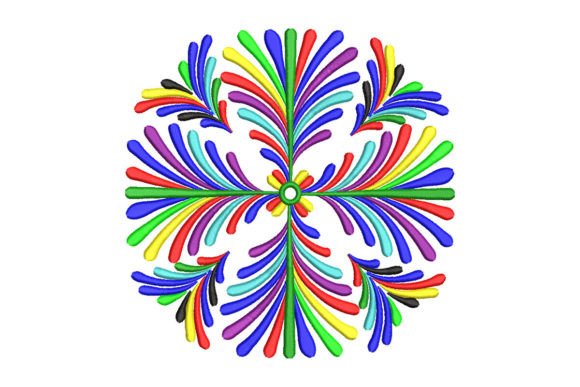
Otomi Design Mexican Review
As an embroidery designer who spends hours digitizing and testing files, I approach every new download with a mix of excitement and skepticism. When I came across the Otomi Design Mexican on Creative Fabrica, I was immediately drawn to its vibrant cultural aesthetic. But for those of us turning these designs into sellable goods or personalized gifts, visual appeal is only half the battle. The real question is: how does it perform in the hoop?
I decided to put this machine embroidery design through its paces, imagining it as part of a real customer order. Whether you are an Etsy seller looking for unique inventory or a crafter wanting to add a special touch to a handmade gift, understanding the practical application of this file is crucial. Below is my honest review based on typical project scenarios.
First Impressions and Visual Mood
The Otomi Design Mexican carries the distinct, whimsical energy of traditional Otomi textiles from central Mexico. Visually, it feels lively and organic. Unlike rigid geometric patterns, this design often features stylized flora and fauna that lend themselves well to storytelling through thread. For a handmade product, this translates to immediate emotional engagement. Buyers connect with designs that feel artisanal and culturally rich.
In terms of detail level, the design strikes a balance between intricate enough to look premium and simple enough to stitch reliably. It avoids the trap of over-complication, which is common in some digital assets. This makes it an excellent choice for custom apparel where you want the embroidery to stand out without overwhelming the garment’s silhouette. The decorative appeal is high, making it suitable for everything from delicate baby items to sturdy workwear.
Real-World Application: Where Does It Fit?
When evaluating a digital embroidery file, I always ask: what is the best canvas for this art? For the Otomi Design Mexican, several categories emerge naturally.
- Tote Bags and Market Totes: This is perhaps the strongest use case. The bold colors and folk-art style pop beautifully against cotton canvas or denim. It turns a basic accessory into a statement piece, perfect for craft fair products.
- Baby Items and Nursery Decor: The playful nature of the motifs works wonderfully for personalized gift items like burp cloths, bibs, and crib sheets. The softness associated with Otomi art complements the tenderness of baby products.
- Kitchen Textiles: Aprons and kitchen towels benefit from the rustic charm of this design. It adds warmth to a modern kitchen, enhancing the visual appeal of functional home goods.
- Sweatshirt Embroidery: For boutique merchandise, placing this design on the chest or back of a crewneck sweatshirt creates a cozy, bohemian vibe that resonates with current fashion trends.
It is also versatile enough for framed art projects. If you embroider onto stabilizer and mount it, the Otomi Design Mexican becomes a standalone piece of decor, bridging the gap between textile art and wall hanging.
Considerations for Specific Garments
While the design is adaptable, certain garments require more careful planning. For apparel decorators working with sweatshirt embroidery or heavy jackets, ensure the design’s scale matches the garment’s proportion. A small version might get lost on a large hoodie, while a massive version could overwhelm a fitted dress. Always create a printable mockup first to gauge the visual weight before committing to fabric.
Technical Performance and Stitch Quality
This is where many designers face challenges. Not all files are created equal. When reviewing the technical aspects of this embroidery file, we must look at stitch density, stability, and finish.
Stitch Density: Otomi designs often rely on fill stitches to create color blocks. High-density fills can make fabric stiff and difficult to handle, especially on thin materials. However, if the digitization is clean, the fill stitch should lay flat and smooth. Check for any unnecessary jumps or trims that could snag during production.
Satin Stitch vs. Running Stitch: Many elements in this design likely utilize satin stitches for outlines and running stitches for finer details. Satin stitches provide a polished, professional edge, but they require proper tension settings. If your machine struggles with dense satin, you may need to adjust your tension or use a different thread type. Running stitches add texture and movement, contributing to the handcrafted feel that buyers love.
Hoop Size Constraints: Before purchasing or using, verify the hoop size requirements. If the design is larger than your standard 4x4 or 5x7 hoop, you will need a multi-hooping strategy. This increases production time and the risk of alignment errors. For small business owners managing tight deadlines, a single-hoop design is significantly more efficient.
Practical Tips for Best Results
To ensure your final product meets professional standards, follow these practical steps when working with the Otomi Design Mexican:
- Test on Scrap Fabric: Never go straight to your final product. Stitch a test run on the exact fabric you plan to use. This reveals issues with puckering, transparency, or thread breakage early.
- Check Thread Color Contrast: Otomi designs are colorful. Ensure your chosen thread colors offer sufficient contrast against your fabric. On dark fabrics, lighter threads may not show up clearly, while bright neons might clash with deeper backgrounds.
- Use Proper Stabilizer: The choice of stabilizer is critical. For stretchy knits like t-shirts, use a cut-away stabilizer to prevent distortion. For woven fabrics like tote bags, a tear-away may suffice, but a wash-away backing can help maintain crisp edges.
- Inspect Small Details: After stitching, zoom in on the smallest elements. Are the tiny flowers or leaves defined? Or do they look like blobs? If details are muddy, consider simplifying the design or using a higher thread count.
- Confirm Licensing: Always review the license terms on the Creative Fabrica product page. Some licenses allow personal use only, while others permit commercial sales of finished items. Understanding these rules protects your business from legal issues.
Impact on Product Value and Branding
Using a culturally inspired design like Otomi Design Mexican can elevate your brand perception. It signals that you pay attention to aesthetics and quality. When customers see a well-executed embroidery on a tote bag design or a patch, they perceive higher value, justifying a premium price point.
Furthermore, these designs photograph beautifully. In the age of social media marketing, a visually striking finished product stops the scroll. The vibrant colors and unique patterns of Otomi art create engaging images that drive customer engagement and shares. This is invaluable for Etsy sellers and creative entrepreneurs looking to build a loyal following.
Building Trust Through Consistency
Consistency in your embroidered patch or custom apparel offerings builds trust. If you consistently deliver high-quality, well-finished items, customers return. By carefully selecting files like this one—those that balance beauty with manufacturability—you reinforce your reputation as a reliable source for premium handmade goods.
Final Verdict
The Otomi Design Mexican is a strong contender for anyone looking to add character to their embroidery portfolio. Its visual charm is undeniable, and its versatility spans from home decor to wearable fashion. While no design is perfect, this file appears to be well-suited for a wide range of applications, provided you take the necessary precautions regarding fabric choice and machine settings.
For commercial embroidery businesses, this design offers a low-risk, high-reward opportunity to diversify your catalog. For hobbyists, it provides a rewarding challenge that results in a stunning, conversation-starting piece. Just remember to check the specific file details, such as format compatibility and stitch count, directly on the Creative Fabrica page before you begin your project.
If you are ready to bring a piece of Mexican folk art to life in thread, this design is definitely worth considering. It captures the spirit of handmade craftsmanship while offering the convenience of modern digital tools. Happy stitching!