Santa Claus with Cap Embroidery Review
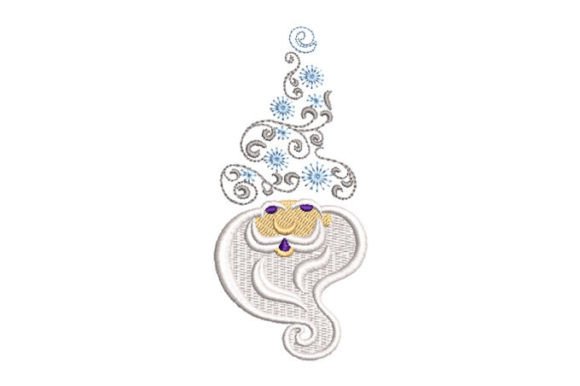
As an experienced embroidery designer, I spend a significant amount of time evaluating digital assets before recommending them to clients or using them in my own commercial projects. When it comes to holiday merchandise, the line between festive charm and professional polish is thin. Today, I am reviewing the Santa Claus with Cap design, a piece marketed as adding "charm and personality" to fabrics. This review focuses on its viability for small business owners, embroidery shops, apparel decorators, and handmade brands looking to expand their Christmas product lines.
First Impressions: Visual Personality and Brand Fit
The title Santa Claus with Cap suggests a departure from the traditional, full-bearded Santa suit often seen in generic holiday collections. The inclusion of "Cap" implies a more modern, perhaps streetwear-inspired or casual aesthetic. For a boutique, creative studio, or local business, this distinction is crucial. It moves the design away from purely decorative novelty and toward something that can serve as a legitimate brand accent.
In terms of visual personality, this design likely leans towards playful yet approachable. It feels less like a rigid corporate uniform element and more like a handmade product detail that invites connection. For Etsy sellers and craft business assets, this vibe is essential. Customers buying small business merch are often looking for items that feel personal and curated. A design that balances the iconic recognition of Santa with a contemporary twist (the cap) offers high potential for customer engagement without feeling dated or overly childish.
Real-World Business Applications
Let’s look at how this machine embroidery design performs when applied to actual products. The description notes that it comes with multiple file formats, which is a critical technical advantage for versatility across different embroidery machines. Here is where I see the strongest use cases:
- Embroidered Patches: This design is ideal for creating iron-on or sew-on patches. Small businesses can sell these as collectibles or attach them to denim jackets, beanies, or backpacks. The clean lines suggested by a "cap" motif usually translate well to patch borders, ensuring durability.
- Cap Embroidery: Given the subject matter, placing this on the front panel of a baseball cap or a beanie is a natural fit. It creates a cohesive thematic statement. However, curvature must be considered during digitizing.
- Apron Embroidery: For bakeries, florists, or café staff uniforms, a smaller version of this design on the chest pocket adds a seasonal touch without overwhelming the worker’s attire. It signals hospitality and festivity.
- Tote Bag Design: Canvas totes are a staple for custom apparel accessories. This design works well as a central focal point or repeated pattern element. The bold nature of a character design ensures visibility against the fabric texture.
- Product Packaging Accents: Use this as a branded seal on gift boxes or tags. It elevates the unboxing experience, making the finished product feel premium and thoughtfully designed.
Furthermore, this digital embroidery file can be used for event merchandise. Local holiday markets, corporate Christmas parties, or community events often require bulk ordering of branded goods. The versatility of the design allows it to scale from a large chest logo to a small sleeve detail, maintaining visual consistency across different design assets.
Strategic Placement and Technical Considerations
While the design has strong potential, there are specific areas where caution is required. As a designer, I advise clients to evaluate the following constraints before committing to production:
- Small Patch Sizes: If reducing the design for tiny lapel pins or small keychains, intricate details may merge. Test the design at 2 inches wide to ensure the "cap" and facial features remain distinct.
- Curved Surfaces: When applying to caps or curved tote bags, the digitization must account for distortion. A flat hooping test on similar fabric is mandatory.
- High Stitch Density: Check the stitch density of the red and white threads. Excessive density can cause puckering on lightweight fabrics like jersey or thin cotton blends. Ensure the stabilizer choice matches the fabric weight.
- Fabric Texture and Color: Dark uniforms or textured fabrics (like heavy wool) can obscure fine thread colors. High contrast is key. On dark backgrounds, ensure the white highlights pop sufficiently.
- Wash Durability: For items like aprons or work shirts that undergo frequent washing, verify that the underlay stitches are secure to prevent thread breakage over time.
Designer’s Checklist for Production
Before releasing any products featuring this design, follow these practical steps to maintain brand integrity:
- Black and White Test: View the design in grayscale first. This helps identify if the thread colors have enough contrast to define shapes independently of hue.
- Hoop Size Confirmation: Verify the maximum hoop size required. If the design exceeds your machine’s standard hoop, you will need multi-hooping, which increases production time and potential alignment errors.
- Mockup Creation: Create a printable mockup or a physical sample on the actual final fabric. Digital previews can be misleading regarding how the thread reflects light.
- Licensing Verification: Most importantly, confirm commercial licensing terms. Even if the file includes multiple formats, ensure you have the right to sell finished goods bearing this image. Do not assume usage rights based on file format availability alone.
Impact on Brand Identity and Customer Trust
Using a well-executed embroidery design like Santa Claus with Cap does more than just decorate an item; it communicates value. In the crowded marketplace of small business merch, quality matters. A clean, professionally stitched design signals attention to detail. It tells the customer that you care about the craftsmanship of your products.
This design supports a brand identity that is friendly, accessible, and seasonally aware. It avoids the starkness of pure minimalism while steering clear of cluttered complexity. For handmade brands, this balance is perfect—it retains a human touch while meeting the standards of commercial embroidery expectations. When customers receive a product with precise stitching and appropriate placement, their trust in the brand increases, leading to higher retention and positive reviews.
Additionally, the modern twist of the "cap" makes the design adaptable beyond traditional Christmas aesthetics. It appeals to younger demographics who might find classic Santa imagery too conventional. By offering this unique take, you differentiate your shop from competitors using generic clip-art style designs.
Final Verdict
The Santa Claus with Cap design is a strong candidate for small business integration. Its blend of festive recognition and modern styling makes it versatile for apparel decorators, Etsy sellers, and boutique owners. From apron embroidery to tote bag design, it offers multiple revenue streams.
However, success depends on execution. Always prioritize testing on real fabric, checking stitch density, and securing proper commercial licenses. By treating this embroidery file as a core part of your brand identity rather than just a seasonal decoration, you can create high-quality, desirable products that resonate with customers and drive sales during the busy holiday season.