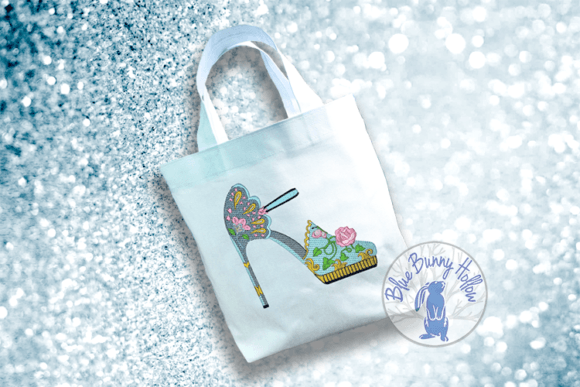
Stiletto Couture Embroidery Design Review
In the competitive world of small business merchandise, every visual detail counts. As an experienced embroidery designer who has reviewed thousands of digital files for clients ranging from boutique apparel shops to custom uniform providers, I look beyond just aesthetics. I evaluate how a design translates into a tangible product that builds brand identity and drives sales. Today, we are reviewing Stiletto Couture, a design described as capturing the essence of high fashion in every stitch. This review focuses on its viability for commercial use, specifically for branded patches, staff uniforms, and handmade product labels.
First Impressions: A Premium Visual Statement
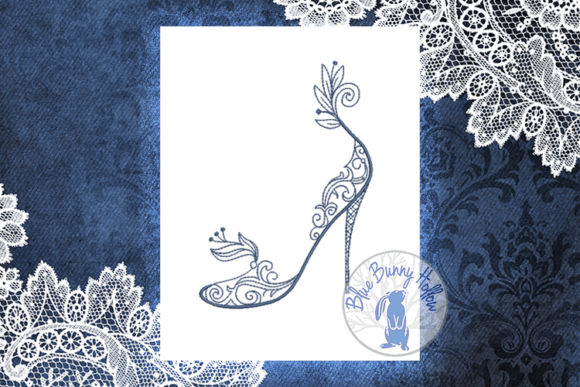
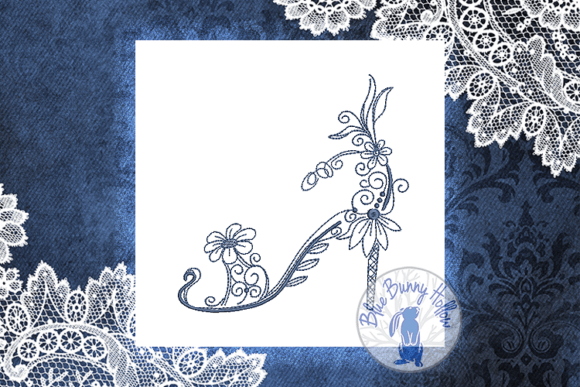
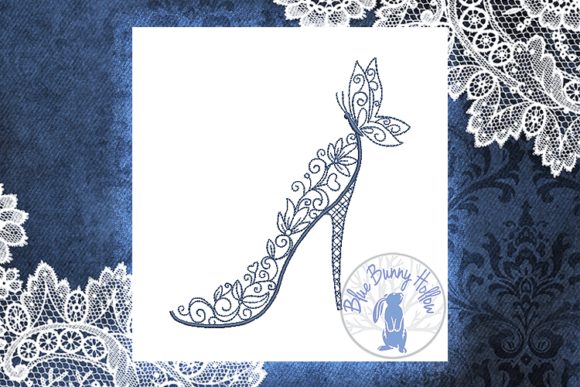
The description of Stiletto Couture highlights an exquisite portrayal of a luxurious high heel, intricately detailed with elegance. From a design perspective, this immediately signals a premium aesthetic. It is not playful or rustic; it is sophisticated, modern, and chic. For small business owners in the fashion, beauty, or lifestyle sectors, this visual personality aligns perfectly with a brand that wants to project professionalism and high value.
When you first load a digital embroidery file like this, your eye is drawn to the potential for texture and depth. The promise of intricate detailing suggests that this design relies heavily on precise stitching techniques to convey luxury. However, "intricately detailed" can be a double-edged sword in production. While it looks stunning in a digital preview, the real test lies in how those details hold up when stitched onto fabric, especially at smaller sizes required for patches or chest logos.
Real-World Business Applications
Stiletto Couture is versatile enough to serve multiple roles in a small business’s marketing ecosystem. Here is how it performs in specific commercial contexts:
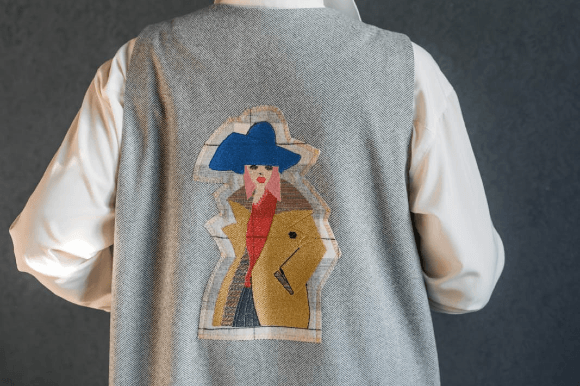
- Embroidered Patches: This design excels as a standalone patch. Whether sewn onto denim jackets, leather bags, or canvas totes, the stiletto motif acts as a strong focal point. It adds instant character to handmade products and serves as an excellent brand identifier for Etsy sellers looking to create unique, recognizable assets.
- Staff Uniforms and Aprons: For boutiques, salons, or high-end bakeries, this design can elevate standard workwear. Placing a refined version of Stiletto Couture on the chest pocket of an apron or the sleeve of a work shirt communicates attention to detail to customers. It transforms a simple employee garment into a piece of brand ambassadorship.
- Cap Embroidery: The vertical nature of a stiletto shape often works well on the front panel of caps. It offers a sleek, elongated silhouette that fits naturally within the curved space of a hat crown, providing a stylish alternative to traditional circular logos.
- Tote Bag Designs: In the era of sustainable shopping, branded tote bags are crucial. Stiletto Couture provides a striking graphic element for canvas totes. When paired with minimal text, it allows the design to breathe, creating a clean, fashionable accessory that customers will want to carry around town, effectively turning them into walking billboards.
- Product Packaging Accents: Small businesses often use embroidered tags or patches to seal packaging. Using this design on hangtags or gift boxes adds a tactile, luxurious touch that enhances the unboxing experience, increasing perceived product value.
Strategic Considerations and Limitations
While the aesthetic appeal is undeniable, an embroidery designer must approach Stiletto Couture with technical caution. Not every application is suitable for this level of detail.
First, consider the scale. If you intend to use this as a tiny label or a small chest logo, the intricate details may become muddy. Fine lines and complex curves can merge together if the stitch density is too high or the placement area is too small. Always test the design at its intended final size before committing to bulk production.
Second, evaluate the fabric texture. Smooth fabrics like cotton twill or polyester blends will render the delicate lines of the stiletto most clearly. Rougher textures, such as heavy wool or distressed denim, might obscure the finer details, making the design look cluttered rather than elegant. Additionally, dark uniforms require careful thread color selection. Light or metallic threads may be necessary to ensure the design pops against dark backgrounds, but this increases the risk of thread breakage if not managed properly.
Frequent washing is another factor. Items that undergo rigorous laundering, such as kitchen aprons or durable work shirts, need designs that are robust. Intricate outlines can fray or pucker over time if the stabilizer support is insufficient. Ensure that the design is anchored well to prevent distortion during wash cycles.
Impact on Brand Identity and Customer Trust
Using Stiletto Couture strategically can significantly enhance your brand identity. Consistency in visual presentation builds trust. When customers see a professionally executed, elegant design on your merchandise, they subconsciously associate that quality with your products or services. It signals that you care about the little things.
Furthermore, this design aids in customer recognition. A distinctive, high-fashion icon like a stiletto can become synonymous with your brand’s niche. Whether you are selling accessories, cosmetics, or fashion-forward apparel, having a cohesive set of design assets that reflect your core values helps differentiate you from competitors. It moves your branding from generic to bespoke, fostering deeper engagement with your audience.
Practical Designer Notes for Production
Before integrating Stiletto Couture into your commercial workflow, follow these essential steps to ensure a successful outcome:
- Test in Black and White: Convert the design to monochrome to check contrast and balance. If the shapes don’t read clearly without color, the design may lack sufficient structural integrity for embroidery.
- Review Thread Color Contrast: Select threads that offer sharp contrast against your target fabric. Avoid colors that blend too closely with the material, as this will hide the intricate details.
- Inspect Spacing and Density: Zoom in on the digital file. Are there areas where stitches are too close together, risking fabric puckering? Are there gaps that are too wide, leaving visible backing?
- Confirm Hoop Size: Ensure the design fits comfortably within your machine’s hoop limits while allowing enough margin for handling.
- Use Proper Stabilizer: For intricate designs, a cut-away stabilizer is often recommended to provide long-term support and prevent distortion.
- Create a Printable Mockup: Before stitching, generate a realistic mockup for client approval. This helps visualize how the embroidered patch or logo will look on the actual product.
- Check Commercial Licensing: Most importantly, verify the license terms. Ensure you have the right to use Stiletto Couture for commercial merchandise production. Unauthorized use can lead to legal issues.
In conclusion, Stiletto Couture is a powerful tool for small businesses aiming to project sophistication and style. By understanding its strengths and respecting its technical requirements, you can leverage this machine embroidery design to create memorable, high-quality merchandise that resonates with your customers. Always prioritize testing and quality control to ensure your final product reflects the premium image you wish to convey.