BOOM Embroidery Design Review
As a designer who spends more time than I care to admit staring at stitch lines and debating thread tension, I approach every new machine embroidery design with a healthy dose of skepticism. The market is saturated with "cute" and "simple," but few designs actually translate well from the digital screen to the fabric under the needle. That is why I decided to put the BOOM embroidery design through its paces. This isn't just about whether it looks good in a preview window; it is about whether it holds up when you are rushing to finish custom orders for an Etsy shop or crafting a personalized gift for a friend.
First Impressions: Visual Impact and Mood
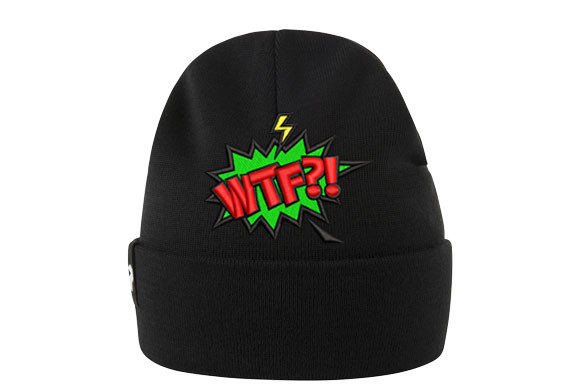
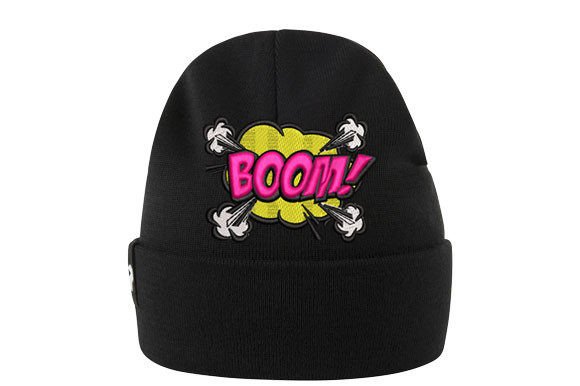
The name says it all. When you first load the BOOM embroidery file, the visual personality is immediate and bold. It captures a sense of playful energy without relying on cluttered details that often get lost in stitching. For designers looking to add a punch of personality to their work, this design offers a clean, graphic quality that feels modern yet timeless. It creates a mood that is confident and cheerful, making it an excellent choice for projects where you want the embroidery to be the focal point rather than a subtle background element.
What stands out most is the balance between simplicity and detail. In my experience, overly simple designs can sometimes look unfinished if the stitch density isn't perfect, while overly complex ones risk becoming muddy blobs of thread. BOOM strikes a rare middle ground. The shapes are distinct, and the layout allows the eye to rest while still engaging the viewer. It feels like a design that was made with the end product in mind, not just as a test pattern for a digitizer’s software.
Real-World Application: From Screen to Stitch
I evaluated BOOM with a specific project in mind: a batch of custom embroidered tote bags for a local craft fair. Tote bags are a staple for any craft business, but they are also unforgiving. The canvas texture can hide fine details, and the flat surface requires strong contrast to make the design pop. I selected a natural canvas bag and paired it with high-contrast thread colors to see how the design would perform.
The result was impressive. The BOOM design maintained its clarity even on the textured fabric. Because the design relies on strong outlines and solid fills, it didn’t suffer from the common issue of getting "eaten" by the weave of the material. This makes it a versatile choice for various apparel and accessories. Whether you are creating sweatshirt embroidery for a boutique line or adding a fun accent to a tote bag design, this pattern delivers professional results.
Beyond totes, I considered how this design would fit into other popular niches. It works beautifully for baby embroidery items, such as bibs or muslin cloths, where softness and clear imagery are paramount. The bold nature of the design ensures that even on small items, the logo or motif remains recognizable. It also has potential for holiday embroidery projects, serving as a base for seasonal greetings or festive accents on kitchen towels and aprons. The versatility here is key for Etsy sellers who need to rotate inventory quickly without sacrificing quality.
Commercial Viability and Branding
For those running a small shop product operation, consistency is everything. BOOM offers a level of reliability that builds customer trust. When buyers receive a handmade product where the embroidery is crisp and centered, it signals professionalism. This design supports brand consistency because its clean lines allow for easy integration into various color palettes. You can use it as a primary logo placement or as a decorative accent on larger garments. It adds value to the finished product, allowing you to justify premium pricing for your custom apparel.
Technical Considerations and Potential Pitfalls
No design is without its challenges, and being honest about where BOOM might struggle is crucial for successful execution. While it performs well on standard fabrics, there are situations where caution is advised.
- Fabric Texture: On highly textured fabrics like heavy tweed or thick chenille, the finer details of the design may become obscured. Always test on scrap fabric first to ensure the stitch definition remains clear.
- Small Hoop Sizes: If you are working with very small hoops, such as those used for socks or tiny patches, ensure the design scales down appropriately. Tiny lettering or intricate corners can lose definition when reduced too much.
- Stretchy Fabrics: When embroidering on knitwear or stretchy blends, improper stabilizer usage can lead to puckering. The stitch density of this design is moderate, but it still requires proper support to maintain shape.
- Dense Stitch Areas: While generally well-digitized, always inspect dense fill areas for potential thread breaks or bird nesting, especially if using lower-quality threads.
Additionally, consider the end-use of the item. If the finished product will undergo frequent washing, such as baby clothes or kitchen linens, ensure that the thread colors are colorfast and that the design is anchored securely. A poorly executed embroidery project can unravel quickly, damaging the reputation of your handmade goods.
Practical Designer Notes for Best Results
To get the most out of the BOOM embroidery design, I recommend following these practical steps before committing to your final piece:
- Test on Scrap Fabric: Never assume a design will work perfectly on your chosen material. Run a test stitch on a similar fabric swatch to check for alignment and tension.
- Check Thread Color Contrast: The impact of BOOM relies heavily on contrast. Use black and white mockups to visualize how different thread colors will interact with light and dark fabric backgrounds.
- Review Stitch Density: Inspect the fill stitch and satin stitch areas in your digitizing software. Adjust density if necessary to prevent bulkiness or lack of coverage.
- Confirm Hoop Size: Ensure your machine hoop can accommodate the design dimensions without cropping important elements.
- Use Proper Stabilizer: The right stabilizer is non-negotiable for a clean finish. Choose a cut-away stabilizer for woven fabrics and a tear-away for stable knits, depending on the garment type.
- Inspect Small Details: Zoom in on the digital file to check for any overlapping stitches or tiny details that might not render well in thread.
Final Verdict
The BOOM embroidery design is a solid addition to any digitizer’s library. It is straightforward, visually appealing, and adaptable to a wide range of embroidery projects. Whether you are a hobbyist looking to create a unique personalized gift or a seasoned pro aiming to expand your commercial embroidery offerings, this design delivers on its promise of being cool and simple. Its ability to enhance the visual appeal of a product while maintaining stitching clarity makes it a reliable tool for creating memorable handmade products. Just remember to do your due diligence with fabric selection and stabilization, and you will likely find that BOOM becomes a go-to choice for your next creative endeavor.