Liam: A Designer’s Review of This Halloween Embroidery Design
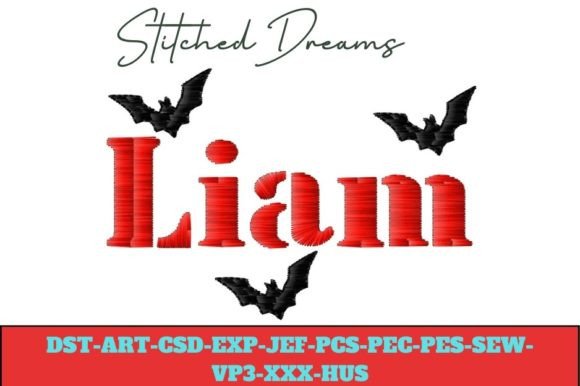
When I sit down to evaluate a new digital embroidery design for my own studio or for client work, I am rarely interested in just how "cute" it looks on a screen. My mind immediately goes to the hoop, the tension settings, and the finished product. Will it hold up after washing? Does the layout feel balanced on a garment? Is there enough visual interest to justify the time investment? Recently, I pulled Liam into my testing queue. As described, this is a captivating digital embroidery design featuring the name Liam, crafted with intricate details that combine the playful essence of Halloween.
At first glance, the concept is straightforward: personalized typography meets seasonal flair. But as an experienced designer reviewing this for real project use, I want to dig deeper into how this design actually performs when stitched out. This review is for the Etsy sellers, small business owners, craft fair vendors, and serious hobbyists who need to know if Liam is worth adding to their library before committing to production runs.
First Impressions: Mood and Visual Personality
The immediate takeaway from Liam is its approachable energy. Halloween designs can often veer into the overly spooky or cluttered, but this piece seems to strike a balance between festive and wearable. The inclusion of the name suggests a strong focus on personalization, which is currently one of the most effective strategies for handmade product sales. When you see a name like Liam integrated with thematic elements, it immediately signals a personalized gift rather than a generic stock item.
Visually, the design relies on the interplay between the lettering and the decorative accents. If the design uses a mix of stitch types—perhaps a bold satin stitch for the letters contrasted with fill stitches or running stitches for the Halloween motifs—it creates a dynamic texture that catches the light. This is crucial for clothing items where flatness can look cheap. The "intricate details" mentioned in the description suggest that there is more going on here than simple block letters, which adds perceived value to the final piece.
Real-World Application: Where Liam Fits Best
In my experience, not every design fits every product. Liam feels particularly well-suited for specific categories within the broader market of custom apparel and home decor.
- Holiday Gifts and Personalized Apparel: This is the strongest use case. A sweatshirt embroidery featuring Liam with subtle Halloween accents works perfectly for a cozy autumn outfit. It is festive without being costume-like, making it appealing to adults and older children who want to participate in the holiday spirit subtly.
- Baby and Nursery Items: The playful nature of the design makes it a candidate for baby clothes or nursery decor. However, this requires careful consideration of scale. For a onesie or a burp cloth, the design needs to be scaled down appropriately so the details remain crisp.
- Craft Business Merchandise: For those selling at craft fairs or running an online shop, Liam serves as an excellent example of a niche product. You can create a line of matching family shirts or coordinate the design with other seasonal assets to build a cohesive brand presence.
- Accessories and Home Decor: Beyond clothing, this design could translate well to tote bag designs, aprons, or pillow covers. A tote bag featuring this motif is practical and promotional, while a kitchen towel or tea towel adds a touch of seasonal charm to a home.
Technical Performance and Stitch Clarity
As we move from concept to execution, the technical aspects of the embroidery file become paramount. When reviewing Liam, several factors come into play regarding stitching clarity and fabric interaction.
Stitch Density and Detail: The mention of intricate details implies a higher stitch count in certain areas. High stitch density can lead to stiffness in the fabric, which might be undesirable for soft garments like t-shirts or baby clothes. It is essential to check the stitch density to ensure the design does not pucker the material. If the design uses dense fill stitches around the letters, it may require a sturdy stabilizer to prevent distortion.
Thread Colors and Contrast: The success of any embroidery design hinges on thread color choice. For a Halloween theme, traditional colors like orange, black, purple, and white are likely candidates. However, the contrast against the base fabric is critical. On dark fabrics, lighter threads will pop, but on light fabrics, darker threads provide definition. I always recommend testing the design in black and white mockups to see if the shapes read clearly without the distraction of color.
Fabric Texture Interaction: The design’s performance will vary depending on the fabric texture. Smooth cottons and polyesters generally yield the cleanest results. Textured fabrics, such as heavy wools or nubby linens, can obscure fine details. If the intricate parts of Liam rely on small satin stitches or tiny running stitches, they may get lost in a coarse weave. Always test on scrap fabric that matches the final product’s texture.
Areas of Caution and Limitations
No design is universally perfect, and Liam has specific contexts where it should be used carefully. Understanding these limitations helps maintain professional standards and customer satisfaction.
- Small Hoop Sizes: If you are working with limited hoop sizes, ensure that the design dimensions fit comfortably. Scaling down too much can cause thin lines to break or merge, ruining the legibility of the name Liam.
- Stretchy and Curved Surfaces: Applying this design to stretchy fabrics like jersey knits or curved surfaces like caps requires extra stabilization. Without proper support, the intricate details may shift or distort during stitching. A cut-away stabilizer is often recommended for these applications.
- Dense Stitch Areas: Avoid placing dense sections of the design over seams, pockets, or existing graphics, as this can add unwanted bulk. Additionally, be mindful of the backside; excessive underlay or dense fills can leave visible marks on the front of lightweight fabrics.
- Frequent Washing: For products intended for frequent washing, such as baby clothes or kitchen towels, the durability of the stitches is key. Ensure the design includes adequate trimmings and secure start/end points to prevent unraveling over time.
Practical Designer Notes for Implementation
Before integrating Liam into your commercial workflow or personal projects, consider these practical steps to ensure a high-quality outcome.
- Test on Scrap Fabric: Never assume a design will perform perfectly on the first try. Stitch it out on the actual fabric you plan to use, including the chosen stabilizer.
- Review Stitch Types: Analyze the mix of satin stitch, fill stitch, and running stitch. Ensure that the transition between different stitch types is smooth and that there are no unnecessary jumps that could snag.
- Check Licensing: If you are planning to sell finished products made from this design, verify the licensing terms. Some digital embroidery files are for personal use only, while others allow commercial sales. Confirming this upfront protects your business.
- Create Printable Mockups: Before investing in materials, create printable mockups to visualize how Liam looks on different products. This helps in marketing and allows customers to see the potential of the personalized gift.
- Inspect Small Details: Zoom in on the digital file to inspect small details. Are the curves smooth? Are the corners sharp? Any jagged edges in the digital file will translate to visible imperfections in the embroidery.
Final Verdict
Liam presents itself as a versatile and charming option for designers looking to capitalize on the Halloween season. Its blend of personalization and thematic elements makes it suitable for a wide range of products, from custom apparel to home decor. However, its success depends heavily on proper execution, including fabric selection, stabilizer choice, and stitch density management.
For the savvy entrepreneur or dedicated crafter, this design offers a solid foundation for creating high-value, handmade products. By paying attention to the technical nuances and testing thoroughly, you can transform this digital file into a tangible, cherished item. Whether you are updating your Etsy listings or preparing for the holiday rush, Liam is a worthy addition to your design assets, provided it is treated with the care and precision it demands.