Floral Elegance Borders Review
As a designer who spends more time troubleshooting stitch density than actually drinking coffee, I approach every new digital embroidery file with a mix of hope and skepticism. The market is saturated with generic clip-art styles that look flat once stitched, so finding a design that balances aesthetic charm with technical viability is rare. That is why I decided to put Floral Elegance Borders through its paces before recommending it to my network of small business owners and crafters. This isn't just about how the design looks on a screen; it is about how it translates into a tangible, high-quality handmade product that customers are willing to pay for.
First Impressions: Mood and Visual Personality
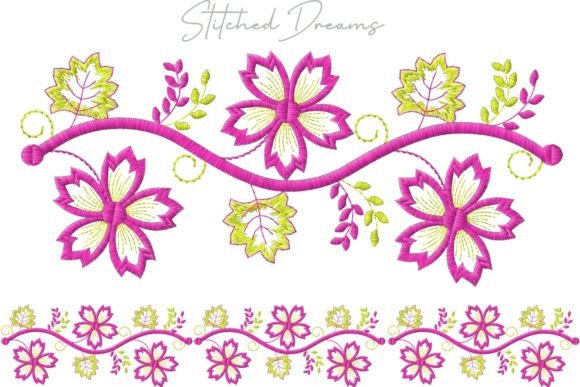
When you first load Floral Elegance Borders into your digitizing software, the immediate takeaway is one of refined sophistication. Unlike the chaotic, busy patterns that plague many holiday collections, this collection feels curated. It carries a quiet confidence. The intricate floral borders and motifs create a frame rather than overwhelming the canvas. For an embroidery project, this distinction is critical. A border needs to guide the eye without creating visual noise, especially when paired with custom text or logos.
The mood it creates is timeless yet fresh. It does not scream for attention like a loud graphic tee might; instead, it whispers quality. This makes it incredibly versatile. Whether you are preparing a boutique item or a personal gift, the design adds a layer of professionalism. It feels less like a mass-produced template and more like a bespoke element. This perception of value is something that translates directly to customer trust. When a buyer sees clean lines and intentional spacing in the floral arrangement, they subconsciously associate that precision with the durability and care put into the final finished product.
Real-World Application: From Screen to Stitch
I wanted to test how this machine embroidery design performs in actual production scenarios. My primary test case was a custom embroidered tote bag intended for a local artisan market. Tote bags are unforgiving; the fabric shifts, the seams distort, and any lack of stability in the design becomes glaringly obvious. I selected a natural cotton canvas and applied Floral Elegance Borders along the top edge, leaving space for a personalized name in the center.
The result was striking. The floral elements held their shape beautifully against the textured fabric. Because the design relies heavily on clean outlines and well-placed negative space, it avoided the "blobby" look that often plagues low-quality digitizing. However, I noticed that the detail level requires a steady hand during hooping. If the fabric moves even slightly during the initial placement stitches, the delicate petals can become misaligned. This is where proper technique matters. Using a cut-away stabilizer was non-negotiable here to ensure the embroidery file remained taut throughout the process.
I also experimented with this design as an embroidered patch for denim jackets. The contrast between the rugged denim and the soft, elegant floral curves created a compelling visual tension. It worked exceptionally well as a custom apparel accent. For Etsy sellers looking to diversify their inventory, this versatility is a major selling point. You can take the same core asset and apply it to a variety of mediums, from kitchen towels to pillow covers, maximizing the return on investment for each digital purchase.
Critical Considerations and Limitations
No design is perfect, and transparency is key for any serious reviewer. While Floral Elegance Borders excels in standard applications, there are specific scenarios where caution is advised. First, avoid using this design in very small hoop sizes. The intricacy of the floral motifs means that compressing them too tightly will cause the details to merge, losing the elegance that defines the piece. If you are aiming for a tiny chest logo or a miniature monogram, you may find the design loses its clarity.
Fabric choice is equally important. This design shines on stable, medium-weight fabrics like cotton, linen, or blended twills. It struggles on highly textured fabrics like heavy wools or bouclé, where the needle penetration can be inconsistent, leading to skipped stitches. Similarly, stretchy knits require extra stabilization. Without a proper water-soluble or tear-away backing, the tension of the threads can pucker the fabric, ruining the clean lines of the border.
Another area to watch is thread color contrast. On dark fabrics, the finer details of the floral stems and leaves may disappear if the thread color is too similar to the background. I recommend testing light-colored threads on dark backgrounds or vice versa to ensure maximum visibility. Also, be mindful of dense stitch areas. If the design includes large fill sections, ensure your machine’s tension settings are calibrated correctly to prevent thread breakage or birdnesting on the underside.
Strategic Value for Creative Entrepreneurs
For those running a craft business or selling digital products, understanding the market fit of Floral Elegance Borders is essential. This design fits squarely into the premium segment of the handmade market. It appeals to buyers who appreciate subtlety and refinement over bold, trendy graphics. This makes it particularly effective for wedding gifts, nursery decor, and high-end corporate branding.
Consider the holiday gift angle. While the prompt mentions Christmas, this design transcends seasonal trends. Its timeless nature allows it to be used year-round, reducing the pressure to constantly source new, trend-dependent assets. For an Etsy seller, this longevity is a strategic advantage. You can list this design as part of a "Classic Collection," appealing to customers who want items that remain stylish long after the holidays end.
Furthermore, the design’s structure lends itself well to printable mockups. Because the layout is balanced and uncluttered, it photographs beautifully. High-quality images are the lifeblood of online sales, and a design that presents cleanly in both real-life photos and digital previews can significantly boost conversion rates. It signals to the buyer that the seller cares about presentation, which reinforces brand consistency.
Practical Designer Notes Before You Stitch
Before committing to a full production run, I strongly advise following these steps:
- Test on Scrap Fabric: Always run a sample stitch-out on the exact fabric you plan to use. This reveals issues with puckering, tension, and color contrast that are invisible on screen.
- Check Stitch Density: Zoom in on the digitized file. Are the satin stitches too wide? Is the fill stitch too dense? Adjustments can often be made in your software to improve performance.
- Verify Hoop Size: Ensure the design dimensions fit comfortably within your machine’s maximum hoop size, leaving room for maneuverability.
- Inspect Small Details: Look closely at the smallest petals and stems. Will they hold up after multiple washes? If they look fragile in the software, they will likely fray in reality.
- Confirm Licensing: Check the terms of use carefully. Does the license allow for commercial sale of finished items? Do you need a separate license for digital distribution? Never assume; verify.
- Compare Backgrounds: Test the design on both light and dark backgrounds to ensure it works across your entire product line.
In conclusion, Floral Elegance Borders is a strong addition to any designer’s toolkit. It offers a blend of aesthetic grace and practical utility that serves both hobbyists and professionals well. By paying attention to fabric choice, stabilization, and proper testing, you can leverage this design to create standout products that resonate with customers seeking quality and elegance. It is a testament to the fact that sometimes, less really is more—provided the execution is precise.