E2E Sugar Cookie Quilting Review
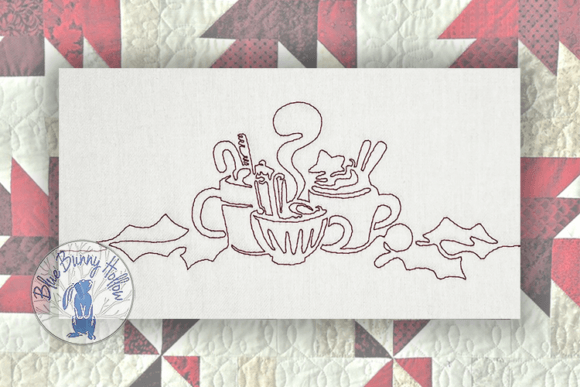
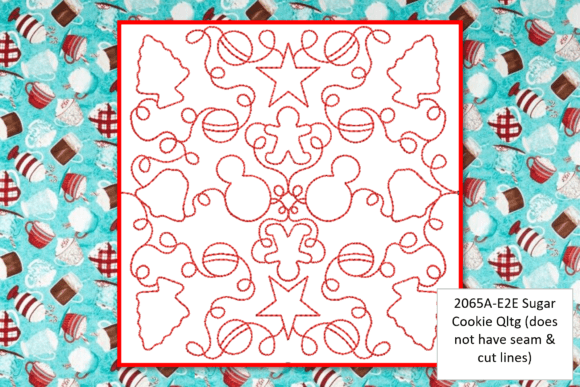
As an embroidery designer who spends most of my days analyzing stitch paths and fabric tension, I am always looking for designs that offer both aesthetic charm and production efficiency. When browsing Creative Fabrica embroidery options for a new seasonal collection, I stumbled upon the E2E Sugar Cookie Quilting design. At first glance, it is marketed as an edge-to-edge quilting pattern for quilt tops, but I wanted to see how this specific aesthetic translates when applied to boutique apparel and sweatshirt projects.
This review explores my initial impressions of the design’s visual personality, its practical application on various garments, and the technical considerations every embroiderer must keep in mind before adding it to their commercial inventory.
Visual Mood and First Impressions
The name "Sugar Cookie" immediately suggests a playful, sweet, and slightly rustic vibe. Upon reviewing the file structure and preview images, the design feels classic yet trendy. It captures that cozy, handmade aesthetic that resonates deeply with customers looking for comfort and nostalgia. The stitching mood is soft and inviting, avoiding the aggressive boldness of some modern streetwear designs in favor of something more feminine and timeless.
For a brand identity focused on lifestyle products, this machine embroidery design offers a premium feel without being overly ornate. It strikes a balance between cute and sophisticated. If you are building a small shop product line centered around winter warmth or holiday cheer, this design provides the perfect decorative strength. It feels like a high-quality addition to a curated collection, suitable for everything from casual weekend wear to gift-oriented merchandise.
Application on Boutique Apparel
My primary goal was to imagine this design on a small batch of hoodies and sweatshirts for an upcoming Etsy listing. Here is how I envision the E2E Sugar Cookie Quilting performing across different garment types:
- Sweatshirt Embroidery: On neutral heather grey or oatmeal-colored sweatshirts, the quilting pattern creates a textured look that mimics actual patchwork. This adds significant value to what might otherwise be a plain garment. It transforms a basic tee into a statement piece.
- Hoodie Design Variations: While often used as an all-over back print in quilting, on apparel, it works beautifully as a large chest placement or a full-back design. For oversized garments, a smaller, repeated motif can create a subtle texture, while a larger version makes a bold fashion statement.
- Tote Bags and Lifestyle Products: This is where the design truly shines. On canvas tote bags, the quilting effect adds structural visual interest. It pairs exceptionally well with coffee-themed graphics or winter motifs, making it ideal for printable mockups and social media graphics that need to pop.
- Denim Jackets and T-Shirts: On dark denim, using white or cream thread colors will make the sugar cookie pattern stand out sharply. However, on black t-shirts, ensure the contrast is high enough to maintain legibility. The design’s repetitive nature helps hide minor stitching imperfections, which is a huge plus for mass production.
Technical Considerations and Placement Strategy
Before committing to a full production run, there are several critical factors to evaluate. As an experienced designer, I cannot stress enough the importance of testing. Here is what you need to consider when integrating this embroidery file into your workflow.
Fabric Compatibility
The "quilting" aspect of the design implies a grid-like or lattice structure. This works best on stable fabrics. When working with fleece or highly stretchy knit fabrics, you must use a strong cut-away stabilizer. Without proper support, the fabric may pucker, distorting the geometric integrity of the sugar cookie pattern. Ribbed fabric areas, such as cuffs or collars, are generally too narrow and unstable for this type of dense, repetitive stitching.
Dense Stitch Areas and Hoop Size
You must inspect the stitch density carefully. If the design attempts to cover too much area on a small hoop, the machine may struggle with thread breaks or tension issues. Confirm the recommended hoop size for the largest version of the design. If you plan to place this on the back of a hoodie, ensure your machine has a sufficiently large embroidery field. If the design exceeds your machine's capabilities, you may need to split the design or choose a smaller variation.
Thread Color Contrast
The success of this design hinges on contrast. On light pastel hoodies, a darker thread (like navy or forest green) will define the "sugar cookie" lines clearly. On dark garments, metallic or bright white threads can add a festive touch, especially for Christmas-themed collections. Always test your chosen thread colors on scrap fabric that matches the final garment to check for colorfastness and visual impact.
Where to Use Carefully
While versatile, this design is not suitable for every location on a garment. Avoid placing large, dense versions of the E2E Sugar Cookie Quilting on:
- Small Chest Placements: Unless the design is significantly scaled down, a full quilting pattern may overwhelm a small chest area, looking cluttered rather than elegant.
- Curved Surfaces: Areas like the shoulders or sleeves have complex curves. A rigid grid pattern may not lay flat, leading to unsightly wrinkles after washing.
- Tiny Lettering Areas: Do not attempt to combine intricate quilting patterns with tiny text in the same confined space. The detail level of the quilting requires breathing room to be appreciated.
Impact on Brand Identity and Customer Trust
Using a cohesive design theme like E2E Sugar Cookie Quilting helps establish a recognizable brand voice. Customers associate consistent visual cues with quality. When your finished product features clean, professional stitching that looks intentional and well-executed, it builds buyer trust. It signals that you care about the details, which is crucial for Etsy sellers and digital sellers competing in a crowded market.
Furthermore, this design lends itself well to commercial embroidery opportunities. You can create matching sets—such as a hoodie paired with a tote bag featuring the same quilting motif—which increases perceived value and encourages multiple purchases. It enhances your product recognition by creating a signature look that customers can identify instantly.
Practical Designer Notes for Production
To ensure your handmade product meets professional standards, follow these steps:
- Test on Scrap Fabric: Never skip this step. Test the design on the exact fabric you plan to sell. Check for puckering, thread breaks, and overall stability.
- Review Stabilizer Choice: Match your stabilizer to the fabric weight. Heavy fleece needs heavy stabilizer; lightweight jersey needs something lighter but still supportive.
- Check Licensing: Before selling finished apparel, verify the licensing terms provided by Creative Fabrica. Ensure you have the right to use the digital embroidery file for commercial purposes.
- Inspect Stitch Density: Zoom in on the digitizing. Are there any unnecessary jumps or trims? A clean finish reflects professionalism.
- Compare Placement Options: Mock up the design on different parts of the garment digitally before cutting fabric. This saves material and time.
In conclusion, E2E Sugar Cookie Quilting is a charming, versatile addition to any embroiderer’s library. Its ability to mimic traditional quilting makes it a standout choice for boutique apparel, particularly in the fall and winter seasons. By paying attention to fabric choice, stabilizer usage, and placement strategy, you can transform simple garments into high-value, desirable items that resonate with your target audience.